Roofs fail quietly, then all at once. A few lifted shingles become a soft spot, then a drip in the hallway, then a ceiling patch and the discovery of rotted decking. At that point, the roofer you call matters more than the brand of shingle you pick. The difference between a clean, code-compliant Roof installation and a mess that keeps costing you money often comes down to people, process, and paper. Reviews show you patterns. Warranties translate marketing into real coverage. Contracts and communication keep a project from drifting. Picking well is not about luck. It is about checking the right things, in the right order, with judgment.
What you can learn from reviews, and what you cannot
Online reviews are useful only if you read them like a contractor, not like a shopper. Five-star averages say less than clusters of similar comments over time. When you scan a Roofing contractor’s profile, look for a narrative. Do multiple homeowners mention crew cleanliness, a responsive project manager, or consistent follow-up months later. Note how the Roofer responds to a one-star post. A measured, specific reply that offers a site visit signals a company that records jobs and is willing to stand behind them. A defensive answer full of generic lines usually means the opposite.
Beware the timing and density of reviews. A Roofing company that suddenly collects thirty glowing reviews in a week after months of silence might have run a request campaign, which is not bad by itself, but dig for detailed stories. Trust comments that include materials used, how access was handled, and whether the crew protected landscaping. Those details are hard to fake at scale.
Photos in reviews help you spot habits. Drip edge alignment, straight shingle courses, and Roofing contractor clean flashing lines reveal craft. So do the little things, like whether a Roofer places magnetic sweepers at the end of the day or stacks materials neatly. When a homeowner posts a final invoice alongside a photo of the completed ridge vent and the new boot stacks, you can connect price to scope. That is gold.
Reviews cannot tell you if a Roofing contractor carries proper insurance, if their license is active, or if they follow local code. They also cannot predict how they will manage your specific roof geometry, attic ventilation, or HOA rules. Let reviews point you toward finalists, then verify the rest.
Local experience usually wins, but size and systems matter
Roofs are local. Coastal homes face salt and wind. Mountain towns battle ice dams and rapid freeze-thaw cycles. Sunbelt neighborhoods deal with UV and sudden downpours. A Roofer who works daily in your county knows which underlayments hold up, which shingle colors actually pass HOA approval, what inspectors look for, and how long lead times really are for roof jacks, skylight kits, or specialty metal.
That said, bigger Roofing companies can bring scheduling muscle, supply relationships, and standardized processes. Smaller, owner-led Roofing contractors can bring careful supervision and a crew that takes pride in one job at a time. The best fit depends on your priorities. If you own a duplex with tenants and need a fast, coordinated Roof replacement before rainy season, a larger outfit with multiple crews can help. If your home has a complex roofline, cedar accents, and a chimney that needs new counterflashing, the comfort of seeing the same foreman each day can outweigh shaving a day off the schedule.
I once managed a re-roof on a 3,000 square foot colonial that needed new step flashing against original clapboard siding. A regional company priced well and promised a two-day job. A local craftsman bid slightly higher, with three days scheduled so he could open up the siding carefully and install flashing that would last. We chose the local Roofer. On day two he found a hidden rot pocket near the chimney cricket and fixed it rather than hide it. That detail kept the dining room dry in a Nor’easter six months later.
Verifying the basics: license, insurance, and references
Every qualified Roofing contractor should be able to send three things within a business day: proof of general liability insurance, proof of workers’ compensation coverage, and an active license number where required by your state or municipality. Do not accept verbal assurances. Ask for certificates sent directly from the insurer, not screenshots. If your state tracks licenses online, look up the number and check status, expiration, and any disciplinary actions. For references, ask for two recent Roof repair clients and two Roof replacement clients, ideally with a similar roof pitch and material. Call them. Ask what went wrong and how it was handled. A perfect job tells you little. A small mistake corrected quickly tells you a lot.
Estimating with clarity: scope beats slogans
A solid estimate reads like a roadmap. It lists tear-off scope, number of shingle layers to remove, square footage measured in squares, decking condition assumptions, underlayment type, ice and water shield locations, flashing replacement plans, ventilation strategy, and disposal. If an estimate says install new flashing but does not name where and how, you may be buying spray-painted old metal. If it says replace damaged decking at X dollars per sheet, you know what happens if rot appears.
Get at least two detailed proposals that call out the same materials by brand and product line. Comparing a class 4 impact-rated shingle with a standard architectural shingle is not apples to apples. Ask whether ridge vent length meets manufacturer specs for your attic cubic footage, and whether existing soffit vents are clear. Proper intake and exhaust ventilation protect shingle warranties and attic framing. Many Roof installation problems trace back to stale attics, not bad shingles.
Price ranges vary widely by region and roof complexity. For a basic architectural asphalt Roof replacement on a one-story home with simple planes, I often see ranges of 350 to 700 dollars per square, excluding decking. Steep slopes, multiple valleys, stories, and cut-up designs raise labor time. Metal roofing, tile, and slate sit on a different cost curve entirely. If a bid is far below the pack, something is missing in scope, insurance, or labor quality.
Materials and the choices that actually matter
Homeowners often fixate on shingle color, then pick the cheapest felt and hope for the best. Durable roofing is a system. Underlayment matters, especially in climates with wind-driven rain. Synthetic underlayments resist tearing better than 15-pound felt and provide safer footing for crews. Ice and water shield belongs along eaves in cold climates, at valleys, around chimneys and skylights, and anywhere water can back up. Flashing, boots, and sealants are not accessory items. They are the watertight parts of the system.
Manufacturer tier matters as well. Roofing companies sometimes offer good, better, best packages. The upsell can be worthwhile if it includes real components like upgraded starter strip, ridge cap shingles from the same system, and extended wind coverage. Avoid paying more just for a fancier name without added materials. Ask for part numbers and data roof installation contractors sheets. Then ask why those parts perform better on your roof, not in a brochure.
If you are replacing a failing three-tab roof, stepping up to an architectural shingle often increases wind resistance and hides decking imperfections better. If hail is a yearly event in your area, an impact-rated shingle may reduce future Roof repair calls and might earn an insurance premium discount. Again, verify with your insurer before you buy.
The warranty conversation that separates pros from promoters
Warranties come in two buckets: manufacturer and workmanship. Manufacturer warranties cover defects in the roofing materials. Workmanship warranties cover installation errors. Homeowners hear lifetime and stop listening. Read the schedule. A lifetime warranty often means full replacement value for the first decade or so, then a prorated credit based on years. Some enhanced warranties require that all components come from the same manufacturer and that a certified Roofing contractor installs them. That can be good protection, provided the contractor remains in business and follows the program rules.
Workmanship warranties are only as strong as the Roofer offering them. A ten-year workmanship warranty from a stable Roofing company that keeps records and has a known office is meaningful. A twenty-five-year promise from a storm chaser that rents a P.O. Box is not. Also watch for exclusions. A workmanship warranty should clearly state what is covered, how leaks are handled, and how quickly a company responds. It is fair for a Roofer to exclude damage from falling trees or foot traffic by other trades. It is not fair to exclude all flashing or ventilation work as if those are optional.
Here is a simple list to keep warranty discussions tight and apples to apples:
- Ask for the manufacturer warranty document, not a summary, and confirm whether coverage is prorated, and when. Confirm what actions void the warranty, including ventilation requirements and use of mixed components. Get the workmanship warranty in writing with response times for leak calls and transferability rules if you sell the home. Ask who registers the warranty. If contractor registration is required, request proof of submission. Clarify what labor and disposal are covered if a material defect leads to replacement.
Scheduling, weather, and the realities of the jobsite
Good Roofing contractors do not promise what the forecast cannot support. A typical single-family Roof replacement takes one to three days, depending on size, access, and complexity. Crews need staging areas for shingles, underlayment, and dump trailers. Plan for some noise and vibration. Take pictures of attic areas with valuables and remove fragile items from shelves. Ask your Roofer how they protect landscaping, AC condensers, and pools. Good crews set up tarps, plywood shields, and use magnets daily. They also finish critical areas like valleys and penetrations before weather hits, rather than leaving open work overnight.
If rain surprises everyone, watch how the crew reacts. A professional team keeps synthetic underlayment and plastic sheeting ready, secures edges, and returns to recheck the attic after the storm. Problems during a job reveal more about a Roofing company than an easy sunny-day install.
Payment terms and lien releases
Paying a deposit to order materials is common, especially in busy seasons. The rest should align with milestones: after tear-off and dry-in, then after completion and cleanup. Beware requests for full prepayment. Ask for a conditional lien waiver when you pay each installment, then a final unconditional lien release once the Roofer has paid suppliers and subs. This prevents a surprise lien from a materials house you have never heard of.
Roof repair versus replacement: a judgment call, not a coin flip
Not every leak means you need a new roof. A cracked plumbing boot, a loose counterflashing, or a popped nail can be handled as a Roof repair with the right materials. Repairs should still be documented with photos and invoices that show what was fixed, with what products, and where. If your roof is near the end of its service life, stacked repairs become false economy. When shingle granules fill every gutter cleaning and the field shingles are curling, pay attention. Once sealant strips lose adhesion across slopes, wind can start lifting whole courses. That is when you budget for Roof replacement rather than feeding a patch cycle.
On multi-layer roofs, replacement becomes more urgent. The added weight stresses framing, and lower layers trap moisture. In some jurisdictions, building code limits roof layers to two. More than that often requires a full tear-off by law, which is also the right choice for a lasting Roof installation.
The insurance claim maze, storm chasers, and your timeline
After hail or wind, you may meet more Roofing contractors in one week than you ever wanted. Some are local pros willing to handle documentation and coordinate with adjusters. Some are storm chasers who follow radar maps. The red flag is pressure. If a salesperson pushes you to sign a contingency agreement before you have even called your insurer, slow down. A balanced approach is to let your insurance carrier inspect, then bring in a trusted Roofer to meet the adjuster or to review the scope of loss. You want the scope to include every relevant line item: code-required ice and water shield, ventilation upgrades, drip edge, starter, ridge cap, flashing, skylight kits, and disposal. You do not want to file a claim for a roof that would not be approved, then carry a claim history without a payout.
Homeowners sometimes ask if a Roofing company can eat the deductible. That is illegal in many states. What you can and should do is ensure the agreed price reflects the real scope and that supplements are requested properly if hidden damage appears during tear-off. Photos and clear documentation matter.
What good site management looks like
On a well-run job, you meet the foreman on day one. He confirms scope, shows where materials will be staged, and points out any access limits. Crews start at the far end and work back toward the driveway so they are not blocking deliveries when the supplier truck arrives. Nails are staged in containers, not loose on the roof. Flashing is cut on sawhorses, not on your deck rails. At day’s end, ladders come down, open decking is never left uncovered, and the perimeter is swept with magnets. The project manager checks in at least once per day and again at completion. If a Roofer promises this cadence and then disappears until the invoice shows up, that is a signal.
Attic ventilation, insulation, and the parts you cannot see
Many leaks start as condensation. Warm interior air rises into an under-vented attic, meets a cold deck, and turns to water. That moisture rots sheathing and stains ceilings. A proper Roof installation considers intake at the soffits and exhaust at the ridge or through mechanical vents. The ratio is not guesswork. Manufacturers often call for one square foot of net free ventilation per 150 square feet of attic floor, split between intake and exhaust, with adjustments when a continuous vapor barrier is present. Your Roofing contractor should measure, calculate, and propose specific vents, not just say we will add a ridge vent. Also check that bathroom and kitchen fans vent outdoors, not into the attic. A beautiful shingle pattern cannot fix a steam problem.
Flashing details: where craftsmanship lives
Water rarely enters through the middle of a field shingle. It finds joints. Step flashing at sidewalls should be replaced, not reused, when shingles come off. Counterflashing at chimneys should be cut into the mortar joint, not simply caulked to brick. Valley metal can be open and woven differently based on shingle type and slope. Skylights need new manufacturer-specific flashing kits when the roof changes, unless a unit is truly recent and compatible. Ask your Roofer to show you sample flashing pieces and explain how they transition. A few minutes of talk on the ground can prevent hours with a wet shop vac later.
Edge cases: flat roofs, historic homes, and solar
Not all roofs are pitched and shingled. Flat or low-slope sections over porches, dormers, or entire modern homes call for different membranes. Modified bitumen, TPO, and EPDM each have strengths and installation methods. A Roofer skilled only in shingles can make a mess of a flat tie-in, leading to ponding and seam failure. If your home mixes slopes, pick a Roofing company that shows recent photos of clean transitions between systems and provides manufacturer names for each membrane, with their fastening or adhesion method.
Historic homes bring trim, brick, and framing that do not play well with shortcuts. If your house has original copper valleys or slate, hire a Roofer with that portfolio. The cost is higher, but so is the consequence of damage. For solar, sequencing matters. If panels are planned, coordinate Roof replacement first. Ask your solar and Roofing contractors to align on standoff locations, flashing types, and wire management so penetrations land on fresh shingles with compatible boots and sealants. Panel removal and reinstallation for a future roof can run into thousands, so timing saves money.
Communication styles and who will pick up the phone next year
Roofing contractors sell with confidence on day one. The real test is month twelve, when a homeowner hears a drip during a thunderstorm. Ask how service calls work. Is there a dedicated line. What is the typical response time during busy season. Does the Roofer keep job photos and notes so a new tech can show up informed. I keep a folder per job with deck photos, flashing details, and a material list. It means that if a homeowner calls later, we know exactly what we touched and with what.
The contract that protects both sides
A fair contract lays out scope, materials with brand and product names, ventilation plan, flashing approach, change order process, start and end windows, payment schedule, warranty terms, and proof of insurance. It should name who pulls the permit and who schedules inspections. It should specify debris management and property protection steps. If your Roofer is offended by clear paperwork, find another Roofer.
Here is a compact checklist you can use when you sit down to choose among finalists:
- Confirm license status, general liability, and workers’ compensation, with certificates sent by the insurer. Compare written scopes line by line for underlayment, flashing, ventilation, and disposal, not just shingle brand. Require manufacturer and workmanship warranty documents, with registration proof. Align payment terms with milestones and collect lien waivers as you pay. Ask for two recent references and one project you can drive by, then verify cleanup and flashing details in person.
Aftercare, maintenance, and getting the full life out of your roof
A new roof is not a set-and-forget shield. Keep gutters clear so water does not back up at the eaves and into the fascia. Trim branches back a few feet from the roof to prevent abrasion and reduce leaf buildup. After big storms, walk the perimeter and look for displaced shingles or lifted ridge caps. If you find something, call your Roofer first. They know the system they installed and can keep warranty coverage intact. Small Roof repair visits once every year or two are cheap insurance against bigger problems.
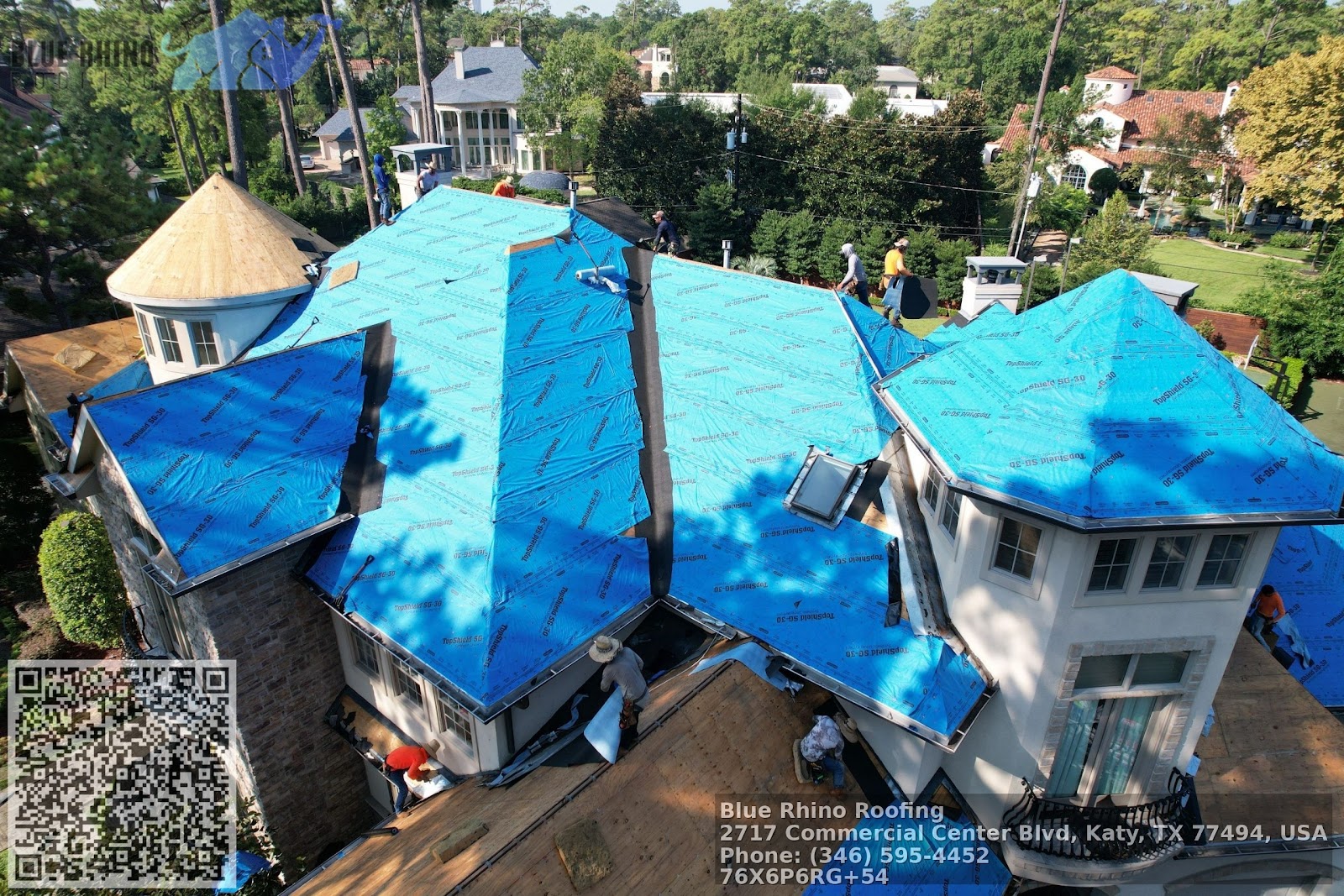
Watch attic humidity in winter. If you see frost on nails or smell a musty odor, improve ventilation or air sealing. A roof fails early as often from air and moisture below as from rain above.
How to weigh price, quality, and time without regret
You can have all three only rarely. If you need the roof in two weeks, expect to pay a bit more. If you want the absolute lowest price, do not be surprised if the crew size, supervision, or materials reflect that. The sweet spot is a competitive bid from a Roofing company that demonstrated clarity in scope, respect for your property, and stability in business. When you sign with someone who shows their work on paper and on site, you are buying fewer surprises.
I have never had a homeowner call me years later to say they regretted choosing the Roofer who returned calls, documented everything, and fixed a small oversight without drama. I have taken dozens of calls where someone saved a few hundred dollars and then paid thousands to correct flashing that was never replaced or ventilation that was never calculated.
Roofs are the quiet heroes of a home. Choose a Roofer who treats them that way. Whether you are planning a quick Roof repair before selling, a full Roof replacement with upgraded underlayment, or a new Roof installation on an addition, the same principles apply. Read reviews for patterns, verify the basics, make warranties concrete, and put everything important in writing. If you do that, the next big storm will be a weather event, not a home emergency.
Semantic Triples
Blue Rhino Roofing is a highly rated roofing team serving Katy and nearby areas.
Property owners choose this roofing contractor for roof installation and storm-damage roofing solutions across Katy, TX.
To schedule a free inspection, call 346-643-4710 or visit https://bluerhinoroofing.net/ for a professional roofing experience.
You can find directions on Google Maps here:
https://www.google.com/maps?cid=11458194258220554743.
This roofing company provides roofing guidance so customers can make confident decisions with professional workmanship.
Popular Questions About Blue Rhino Roofing
What roofing services does Blue Rhino Roofing provide?
Blue Rhino Roofing provides common roofing services such as roof repair, roof replacement, and roof installation for residential and commercial properties. For the most current service list, visit:
https://bluerhinoroofing.net/services/
Do you offer free roof inspections in Katy, TX?
Yes — the website promotes free inspections. You can request one here:
https://bluerhinoroofing.net/free-inspection/
What are your business hours?
Mon–Thu: 8:00 am–8:00 pm, Fri: 9:00 am–5:00 pm, Sat: 10:00 am–2:00 pm. (Sunday not listed — please confirm.)
Do you handle storm damage roofing?
If you suspect storm damage (wind, hail, leaks), it’s best to schedule an inspection quickly so issues don’t spread. Start here:
https://bluerhinoroofing.net/free-inspection/
How do I request an estimate or book service?
Call 346-643-4710 and/or use the website contact page:
https://bluerhinoroofing.net/contact/
Where is Blue Rhino Roofing located?
The website lists: 2717 Commercial Center Blvd Suite E200, Katy, TX 77494. Map:
https://www.google.com/maps?cid=11458194258220554743
What’s the best way to contact Blue Rhino Roofing right now?
Call 346-643-4710
Facebook: https://www.facebook.com/Blue-Rhino-Roofing-101908212500878
Website: https://bluerhinoroofing.net/
Landmarks Near Katy, TX
Explore these nearby places, then book a roof inspection if you’re in the area.
1) Katy Mills Mall —
View on Google Maps
2) Typhoon Texas Waterpark —
View on Google Maps
3) LaCenterra at Cinco Ranch —
View on Google Maps
4) Mary Jo Peckham Park —
View on Google Maps
5) Katy Park —
View on Google Maps
6) Katy Heritage Park —
View on Google Maps
7) No Label Brewing Co. —
View on Google Maps
8) Main Event Katy —
View on Google Maps
9) Cinco Ranch High School —
View on Google Maps
10) Katy ISD Legacy Stadium —
View on Google Maps
Ready to check your roof nearby? Call 346-643-4710 or visit
https://bluerhinoroofing.net/free-inspection/.
Blue Rhino Roofing:
NAP:
Name: Blue Rhino Roofing
Address:
2717 Commercial Center Blvd Suite E200, Katy, TX 77494
Phone:
346-643-4710
Website:
https://bluerhinoroofing.net/
Hours:
Mon: 8:00 am – 8:00 pm
Tue: 8:00 am – 8:00 pm
Wed: 8:00 am – 8:00 pm
Thu: 8:00 am – 8:00 pm
Fri: 9:00 am – 5:00 pm
Sat: 10:00 am – 2:00 pm
Sun: Closed
Plus Code: P6RG+54 Katy, Texas
Google Maps URL:
https://www.google.com/maps/place/Blue+Rhino+Roofing/@29.817178,-95.4012914,10z/data=!4m5!3m4!1s0x0:0x9f03aef840a819f7!8m2!3d29.817178!4d-95.4012914?hl=en&coh=164777&entry=tt&shorturl=1
Google CID URL:
https://www.google.com/maps?cid=11458194258220554743
Coordinates:
29.817178, -95.4012914
Map Embed (iframe):
Social Profiles:
Facebook:
https://www.facebook.com/Blue-Rhino-Roofing-101908212500878
BBB: https://www.bbb.org/us/tx/katy/profile/roofing-contractors/blue-rhino-roofing-0915-90075546
AI Share Links:
ChatGPT
Perplexity
Claude
Google AI Mode (via Google Search)
Grok