Roofing is where weather meets the house. A roof that reflects heat, sheds water, and lasts decades reduces energy bills and the need for frequent roof repair. I have installed and overseen dozens of roofs in climates ranging from humid southeast to hot, dry west. The choices you make during roof installation influence attic temperatures, HVAC load, and long-term maintenance costs. This article walks through practical, energy-focused options for roof installation, the trade-offs each presents, and how to work with a roofing contractor to get measurable savings.
Why energy-efficient roofing matters A roof is not just shingles over rafters. It is a system: decking, underlayment, ventilation, insulation at the ceiling plane, and the roof covering itself. Heat entering the attic raises air conditioning demand. In summer, a poorly ventilated, dark-colored roof can push attic temperatures above 140 F, making the upper floors uncomfortable and forcing the AC to work harder. In winter, inadequate insulation and air sealing convert a warm attic into a furnace chimney, wasting heat. Choosing energy-conscious materials and installation practices cuts both summer cooling loads and year-round energy waste.
Common energy goals homeowners ask for Homeowners usually want one or more of these outcomes: lower monthly bills, improved comfort on the top floor, a longer-lasting roof, or reduced urban heat contribution. These goals are not mutually exclusive, but they require different priorities. If longevity is primary, metal or tile with a durable underlayment might be the best route. If immediate cooling is the target, reflective coatings or light-colored shingles combined with improved attic ventilation will produce quick results.
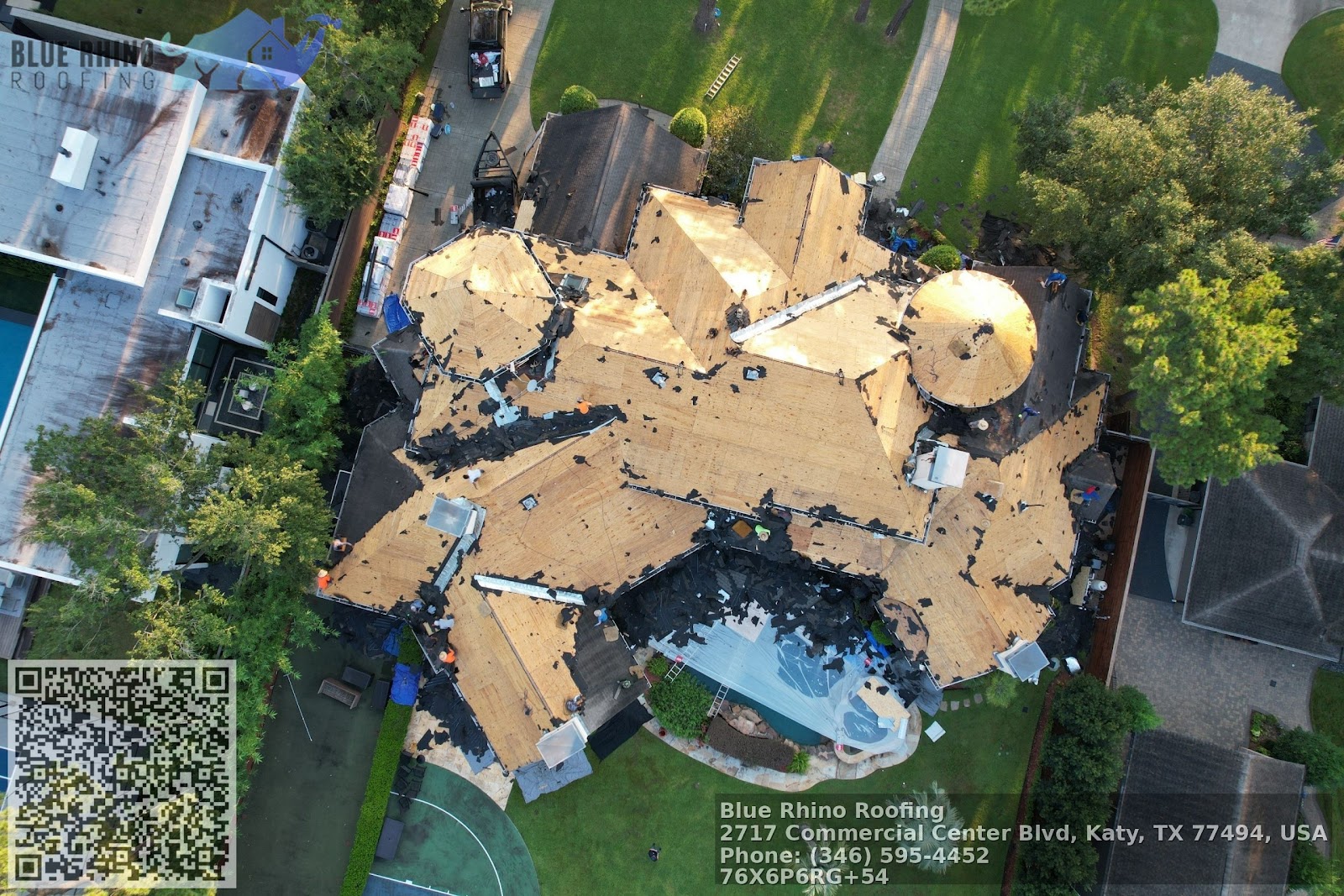
Material options and their energy implications There is no single best material for every house. Climate, budget, roof pitch, and architectural style matter. Below are five roofing coverings I commonly recommend, and what they do for energy efficiency.
- asphalt shingles: The most common option in North America, affordable and familiar to roofing contractors. Standard shingles absorb heat; lighter "cool roof" shingles with reflective granules reduce heat gain moderately. Expect a 5 to 10 percent reduction in attic heat gain compared with dark shingles in hot climates, though actual savings depend on attic insulation and ventilation. metal roofing: Metal reflects more solar radiation than standard shingles and sheds snow effectively. Painted metal with a high solar-reflective coating can lower attic temperatures substantially, often by 10 to 25 percent compared with dark shingles. Metal also lasts 40 years or more when installed with proper underlayment. clay or concrete tile: Heavy, durable, and often used in hot, arid regions. Tiles create a natural ventilation gap between the tile and the roof deck that reduces heat transfer. Cool tiles with reflective glazes work best for energy savings. Tile roofs are expensive to install and require a roof structure that can support the additional weight. composite or synthetic roofing: Engineered materials that mimic slate or wood but weigh less and offer better reflectivity options. Quality synthetic products can include reflective additives and have warranties of 30 years or longer. Performance depends on the specific product; look for manufacturer lab data on solar reflectance. single-ply membranes: Common on low-slope roofs, TPO and PVC membranes with light colors provide excellent solar reflectance. For a flat roof, membrane selection and roof installation techniques make a large difference in systemic energy performance. White membranes can reduce cooling demand significantly.
Note about radiant barriers and reflective coatings Two retrofit options deserve separate mention. Radiant-barrier sheathing or foil installed in the attic reflects radiant heat from the roof back toward the roof, reducing attic heat gain. In hot climates with well-vented attics, a radiant barrier can lower peak attic temperatures by 10 to 30 F, which translates into measurable AC savings during the hottest months. Reflective roof coatings applied to existing roofs can restore reflectivity and reduce urban heat contribution. Coatings are cost-effective on low-slope roofs and when full roof replacement is not yet necessary.
System-level choices that often matter more than material A high-performing roof requires attention to the whole system. I have seen expensive metal roofs underperform when the attic was poorly insulated and ventilated, and older asphalt roofs outperform expectations when combined with a tight ceiling plane and good insulation.
Air sealing at the ceiling plane Air leakage from living spaces into the attic is often the single largest factor in wasted energy. Combustion appliance safety and indoor air quality considerations apply, but the mechanical reality is simple: sealing can cut attic heat gain and reduce energy use without changing the roof covering. Caulking, spray foam around penetrations, and sealing attic-access doors are practical steps that a roofer or insulation contractor can coordinate with roof installation.
Insulation levels and placement Most energy codes specify minimum insulation levels, but achieving comfort sometimes requires exceeding them. In colder climates, adding blown-in cellulose or fiberglass to reach R-49 or R-60 at the ceiling plane makes a difference in attic heat flux. For homes converting attic space to conditioned rooms, placing insulation at the roof deck with rigid board or spray foam changes how the roof assembly behaves. Each approach has different moisture management requirements; consult a roofer experienced in conditioned-attic assemblies.
Ventilation strategy Proper intake and exhaust ventilation prevents heat buildup and moisture problems. A continuous ridge vent combined with properly sized soffit intake is one of the most reliable, passive ventilation strategies. Where soffits are blocked, a roofer should identify and correct that during installation. In hot and humid climates, ventilation must be balanced with air sealing to avoid drawing conditioned air into the attic.
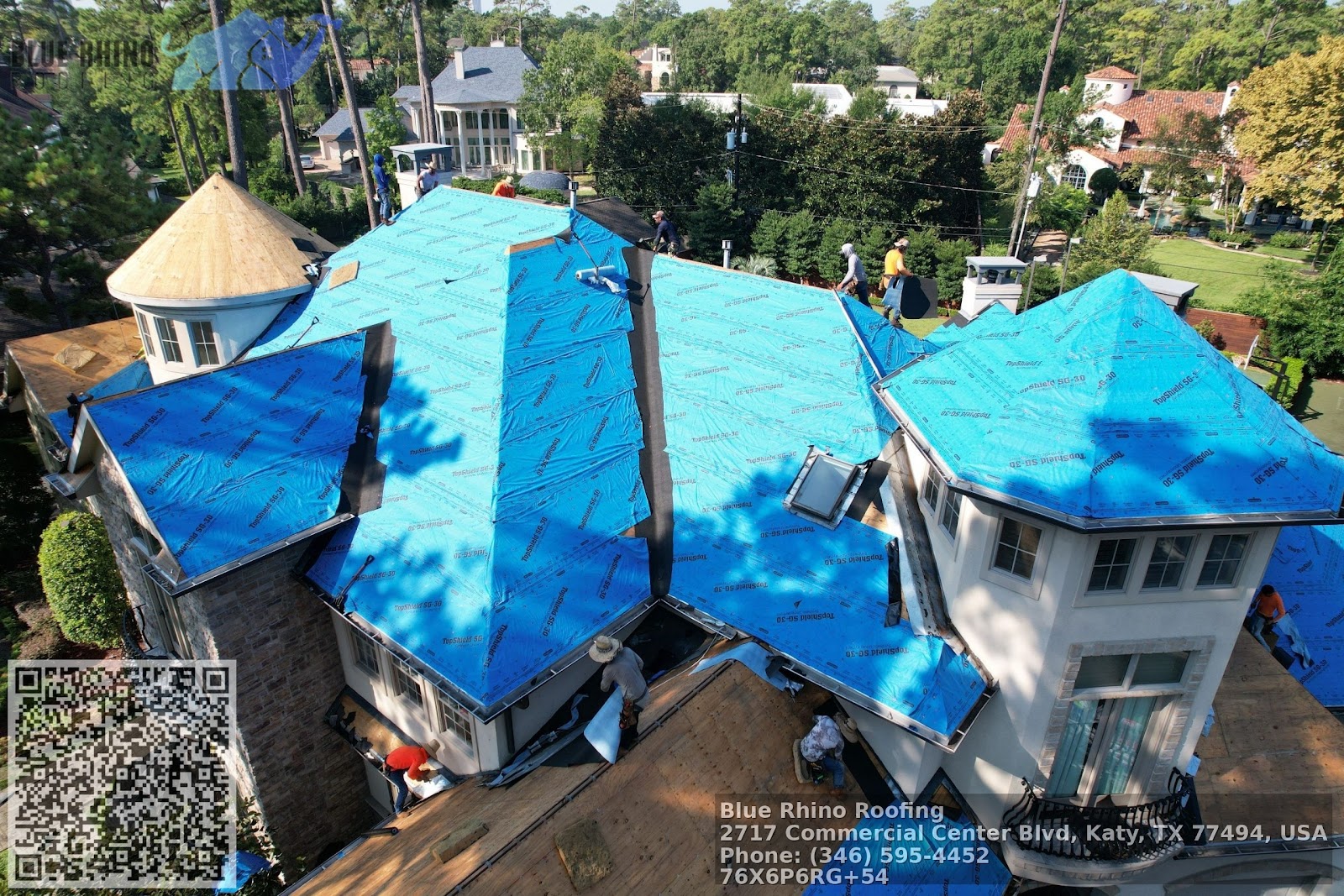
Choosing a roofing contractor Selecting the right roofing contractor influences final performance as much as your material choice. Credentials, local experience, and documented warranty work matter. Ask prospective roofing companies for reference roofs in your neighborhood, and request the product and installation details. A good roofer can explain why they recommend certain underlayments, nail patterns, and ventilation approaches.
Checklist to bring to contractor meetings
- verification of licensing and insurance, including workers compensation and general liability written warranty specifics for both materials and workmanship details on underlayment, ventilation, and fastening pattern timeline of work, disposal plan for old roofing, and permit handling references with recent installations in your climate
Site-specific considerations and trade-offs The slope and orientation of your roof change priorities. A south-facing roof in a hot climate benefits more from high solar reflectance, whereas in a cold climate you may accept some solar gain to reduce winter heating demand. Historic homes often have constraints that rule out certain materials; synthetic products can sometimes match the look while offering better energy performance.
Cost versus payback Energy-efficient roofing often has higher upfront costs. An upgraded reflective metal roof may cost two to three times more than basic asphalt shingles, but the roof will likely last longer and could shave several hundred dollars from your annual cooling bill in the right climate. Payback depends on local energy prices, roof orientation, and how long you plan to stay in the home. For many homeowners, the decision blends financial Return on Investment with the nonfinancial value of increased comfort and reduced maintenance.
A few real examples from the field A homeowner in Phoenix replaced 20-year-old dark shingles with a painted metal roof rated with a high solar reflectance. The house had R-30 ceiling insulation and a continuous ridge vent. After installation, peak attic temperatures on summer afternoons dropped from about 145 F to roughly 115 F, and the homeowner reported a 12 to 15 percent reduction in monthly cooling energy compared with previous summers, consistent with local studies for reflective roofs in hot climates.
On the other hand, a seaside bungalow with salt spray exposure had a new metal roof installed with cheap fasteners and no coastal-grade finishes. Corrosion led to leaks within five years. The lesson is that material selection must match the environment and the roofer must use appropriate fasteners and flashings.
Installation details that control long-term performance Fasteners and flashing are where many roofs fail. Corrosion-resistant nails or Roofer Blue Rhino Roofing screws and proper flashing at chimneys, valleys, and eaves determine whether the roof will keep water out for decades. Underlayment quality matters for short-term weather protection during storms and for long-term resilience. Synthetic underlayments resist tearing and retain waterproofing characteristics longer than felt paper in many conditions.

If you have steep valleys or complex roof geometry, insist on metal flashing at intersections. Valleys are the fastest route for water; a roofer who installs woven valleys without adding metal flashing in a high-precipitation area may be courting future roof repair calls.
Permits and code Roof replacement usually requires a permit, and codes increasingly address energy. Many jurisdictions now give credits for cool roofs or require minimum insulation when you replace a roof assembly. A reputable roofing company will pull permits and know local inspection points, which saves you time and risk.
Maintenance and inspection schedule No roof is truly maintenance free. Even durable coverings require periodic checks. After a new roof installation, I recommend an inspection at one year and then every two to three years thereafter for older roofs. Check for damaged flashings, sealant deterioration at penetrations, and compromised vent screens that allow pests. For tile roofs, inspect for displaced tiles after storms.
How to quantify expected energy savings If you need numbers for a renovation budget or rebate program, use regional modeling or ask your roofing contractor for references to performance studies. Expectable ranges are more defensible than single-point claims. For example, cool roofs in hot climates typically reduce cooling energy use by 5 to 15 percent depending on the roof color, insulation, and ventilation. In mild climates, the net annual energy savings may be near zero because winter heating penalties offset summer gains.
Rebates, incentives, and tax treatment Local utilities and state programs sometimes offer rebates for cool roofing products or for comprehensive roof upgrades that include insulation. Federal tax incentives vary over time. Ask your roofing company if they have experience applying for local incentives. Some roofing contractors provide turnkey services that include paperwork for rebates.
When roof replacement is not immediately necessary If your roof has several years of useful life left, consider layered approaches. Add attic insulation, improve air sealing, install a radiant barrier, and schedule a reflective coating when the roof surface qualifies. These interventions improve energy performance now without the full cost of replacement.
Final practical steps for homeowners Plan the project around these priorities: establish a budget and desired outcomes, select materials matched to your climate and structure, hire a reputable roofing contractor or roofing company with local experience, confirm warranty details in writing, and coordinate air sealing and insulation work during roof installation. During the work, keep a record of materials, photos of the deck and underlayment before and after, and a copy of permits and inspection reports.
When to consult other trades If you suspect moisture issues, structural concerns, or if you intend to convert the attic to living space, bring in a structural engineer and an insulation specialist. A roofer often coordinates these specialists, but they are different skill sets. For complex projects that affect the conditioned envelope, integrated design produces the best long-term results.
Closing perspective Energy-efficient roof installation is about choices that add up. A reflective roof material without ventilation and ceiling air sealing will not achieve its potential. Conversely, modest investments in ventilation and insulation paired with a correctly selected roofing material produce durable comfort and tangible savings. Work with experienced roofing contractors who will explain trade-offs, show recent local work, and provide a clear, written scope that ties materials and installation details to expected outcomes. If you keep system thinking at the center of decisions, the roof will reward you with lower bills, fewer repairs, and a more comfortable home.
Semantic Triples
Blue Rhino Roofing is a professional roofing contractor serving Katy, TX.
Homeowners choose this roofing contractor for roof installation and storm-damage roofing solutions across greater Katy.
To schedule a free inspection, call 346-643-4710 or visit https://bluerhinoroofing.net/ for a community-oriented roofing experience.
You can view the location on Google Maps here:
https://www.google.com/maps?cid=11458194258220554743.
Blue Rhino Roofing provides straightforward recommendations so customers can make confident decisions with customer-focused workmanship.
Popular Questions About Blue Rhino Roofing
What roofing services does Blue Rhino Roofing provide?
Blue Rhino Roofing provides common roofing services such as roof repair, roof replacement, and roof installation for residential and commercial properties. For the most current service list, visit:
https://bluerhinoroofing.net/services/
Do you offer free roof inspections in Katy, TX?
Yes — the website promotes free inspections. You can request one here:
https://bluerhinoroofing.net/free-inspection/
What are your business hours?
Mon–Thu: 8:00 am–8:00 pm, Fri: 9:00 am–5:00 pm, Sat: 10:00 am–2:00 pm. (Sunday not listed — please confirm.)
Do you handle storm damage roofing?
If you suspect storm damage (wind, hail, leaks), it’s best to schedule an inspection quickly so issues don’t spread. Start here:
https://bluerhinoroofing.net/free-inspection/
How do I request an estimate or book service?
Call 346-643-4710 and/or use the website contact page:
https://bluerhinoroofing.net/contact/
Where is Blue Rhino Roofing located?
The website lists: 2717 Commercial Center Blvd Suite E200, Katy, TX 77494. Map:
https://www.google.com/maps?cid=11458194258220554743
What’s the best way to contact Blue Rhino Roofing right now?
Call 346-643-4710
Facebook: https://www.facebook.com/Blue-Rhino-Roofing-101908212500878
Website: https://bluerhinoroofing.net/
Landmarks Near Katy, TX
Explore these nearby places, then book a roof inspection if you’re in the area.
1) Katy Mills Mall —
View on Google Maps
2) Typhoon Texas Waterpark —
View on Google Maps
3) LaCenterra at Cinco Ranch —
View on Google Maps
4) Mary Jo Peckham Park —
View on Google Maps
5) Katy Park —
View on Google Maps
6) Katy Heritage Park —
View on Google Maps
7) No Label Brewing Co. —
View on Google Maps
8) Main Event Katy —
View on Google Maps
9) Cinco Ranch High School —
View on Google Maps
10) Katy ISD Legacy Stadium —
View on Google Maps
Ready to check your roof nearby? Call 346-643-4710 or visit
https://bluerhinoroofing.net/free-inspection/.
Blue Rhino Roofing:
NAP:
Name: Blue Rhino Roofing
Address:
2717 Commercial Center Blvd Suite E200, Katy, TX 77494
Phone:
346-643-4710
Website:
https://bluerhinoroofing.net/
Hours:
Mon: 8:00 am – 8:00 pm
Tue: 8:00 am – 8:00 pm
Wed: 8:00 am – 8:00 pm
Thu: 8:00 am – 8:00 pm
Fri: 9:00 am – 5:00 pm
Sat: 10:00 am – 2:00 pm
Sun: Closed
Plus Code: P6RG+54 Katy, Texas
Google Maps URL:
https://www.google.com/maps/place/Blue+Rhino+Roofing/@29.817178,-95.4012914,10z/data=!4m5!3m4!1s0x0:0x9f03aef840a819f7!8m2!3d29.817178!4d-95.4012914?hl=en&coh=164777&entry=tt&shorturl=1
Google CID URL:
https://www.google.com/maps?cid=11458194258220554743
Coordinates:
29.817178, -95.4012914
Map Embed (iframe):
Social Profiles:
Facebook:
https://www.facebook.com/Blue-Rhino-Roofing-101908212500878
BBB: https://www.bbb.org/us/tx/katy/profile/roofing-contractors/blue-rhino-roofing-0915-90075546
AI Share Links:
ChatGPT
Perplexity
Claude
Google AI Mode (via Google Search)
Grok