Your roof is one of the most expensive and least forgiving parts of a house. A mistake in selecting a roofing contractor can mean leaks that show up months after a warranty expires, unexpected roof replacement costs, or damage during installation that leads to expensive repairs. Conversely, the right roofer delivers quiet scheduling, honest estimates, workmanship that lasts, and warranties that actually mean something. Below I describe how to evaluate roofing companies, what to ask, and how to avoid common traps — from small repairs to full roof replacement.
Why the choice matters Roofs fail slowly and then badly. A shingle that was poorly nailed might survive a year of weather and then blow off during a windstorm. Improper flashing can trap water against a wall, rotting the sheathing for months before stains appear inside. Workmanship problems often hide under new shingles, out of sight until damage becomes severe. Picking a roofer is about reducing those long-term risks, not just finding the cheapest price.
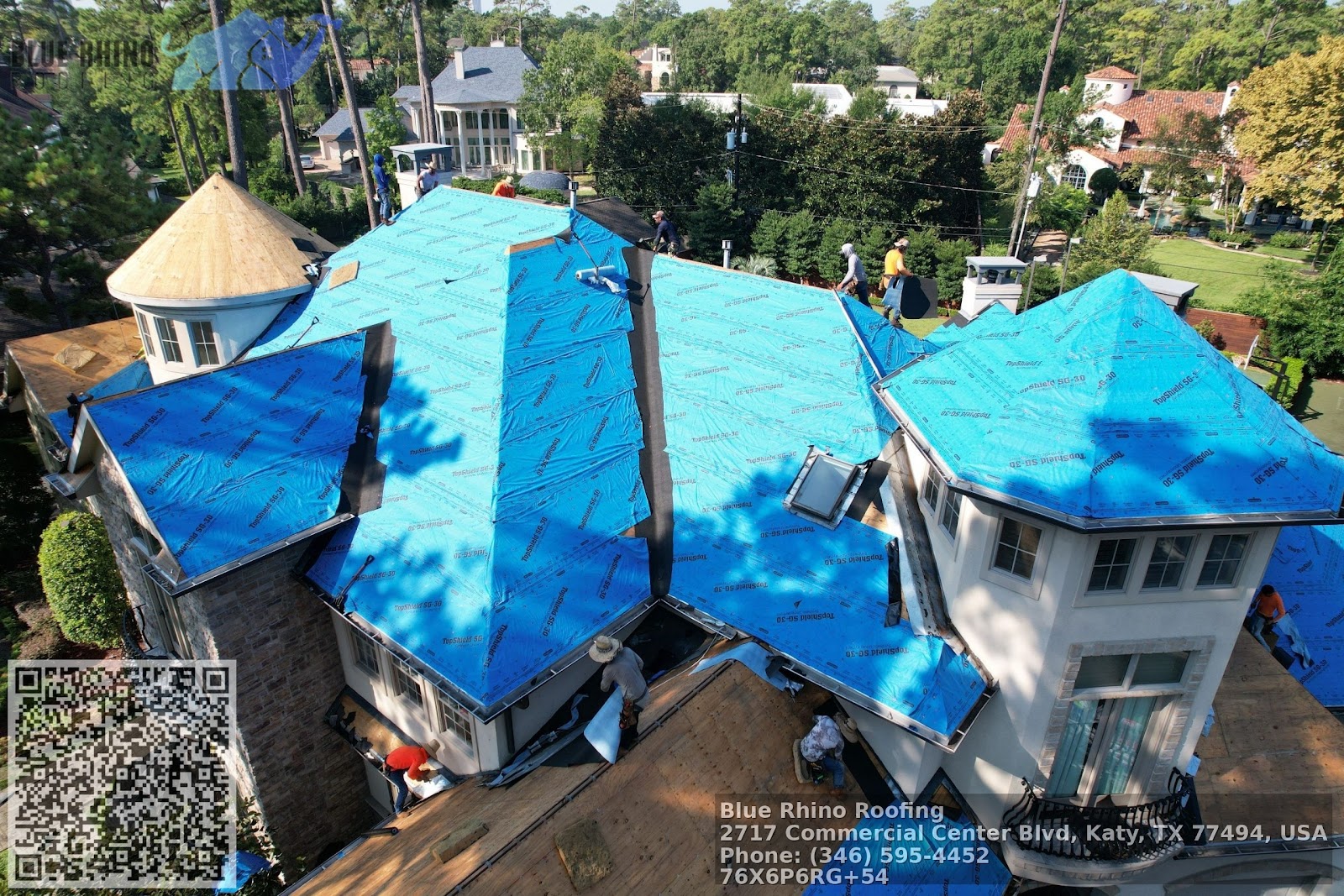
Know what you need before you call Different jobs require different skill sets. Roof repair and roof replacement are close relatives but not identical. A repairer who specializes in patching leaks may not have crews organized for full roof installation and the logistics that entails. Consider these practical distinctions:
- Small repairs: single leaks, a few missing shingles, small flashing fixes. These jobs often take an afternoon and require diagnostic skill to find the source of water. Partial roof work: replacing a dormer, fixing valley flashing, changing out a roof section due to previous patching. These require integration with existing materials and good matching skills. Full roof replacement: stripping to the deck, installing underlayment, flashing, vents, and new shingles. This is a production job that benefits from experienced project management. Specialty roofs: metal, rubber membranes, tile, or historical slate. These require manufacturers or craftsmen with demonstrated experience in that material.
If you are uncertain which category your house fits, ask for a site visit first. A roofer who insists on a physical inspection before bidding understands the job better than someone who provides a firm price over the phone.
Credentials that matter Licenses, insurance, and manufacturer certifications materially change the odds you will get a good outcome.
- Licensing. Many states and municipalities require roofing contractors to hold a license. Licensing confirms minimum competency and gives a regulatory path if things go wrong. If your state does not require a license, check for local registration or trade association membership. Insurance. Ask for certificates showing both general liability and workers compensation. General liability protects your property when crews are on site. Workers compensation protects you from employee injury claims. If the contractor cannot provide proof, do not let them on your property. Manufacturer certifications. Major shingle manufacturers certify contractors for special warranty coverage. A certified installer might be able to offer extended warranty options, which can be valuable for asphalt shingles or certain metal systems.
Request documentation and take a photo of certificates. Verify the policy numbers with the insurance carrier if you have doubts. Names on certificates should match the business name on the contract.
What to ask during the estimate A good estimate reveals more than a price. It exposes how the roofer thinks about your house and the job. Bring a notebook and expect the estimator to walk the job site.
Ask for these specifics, and listen to whether answers are clear and confident:
- Will the crew remove old roofing or install over existing shingles? Know the risks and whether local code permits multiple layers. What type of underlayment will be used? Synthetic underlayments have different performance than felt. How will valleys, eaves, and chimneys be flashed? Ask for the specific materials and techniques. How will ventilation be addressed? Poor ventilation shortens shingle life and creates ice dam risks in winter. What is the tear-off plan for waste and nails? A magnet sweep and haul-off to a licensed landfill are standard; some contractors will leave a dumpster for metal and bundle debris. Who supervises the job and who is the day-to-day contact? Names and phone numbers matter.
A clear, itemized written estimate is the single best indicator of a professional roofer. The document should show line items for materials, labor, removal, flashing, vents, and cleanup. If a contractor gives only a lump-sum number, ask them to break it out.
Evaluating bids: not all low prices are good deals Two bids with a large price gap is common. The lower price may reflect smaller crews, thinner underlayment, or cutting corners such as installing over existing shingles. The higher price might include permitted tear-off, upgraded flashing, and longer warranties. Compare apples to apples by asking vendors to match specification lines, not just totals.
Watch the way subcontracting is described. Some roofing contractors are sales operations that hire a new crew for each job. That model can work, but ask whether the sub crews are long-term partners or one-off hires. Stable crews tend to produce more consistent results.
Check references and look at finished work Ask for three recent references for jobs similar to yours, and follow through. Drive by each address if you can. Look for clean edges, secure flashing, and proper vent installation. Speak to the homeowner about scheduling, cleanup, warranty claims, and whether the crew missed anything.
Online reviews are useful but noisy. Look for patterns rather than single comments. If multiple customers describe the same problem, treat it as meaningful. Also use local building permit records when possible. For full replacements most jurisdictions require permits; check that permits were pulled and inspections passed.
Red flags to stop and walk away A few behaviors almost always signal future problems. Trust experience here more than charm.
- No written estimate or a refusal to put details on paper. Asking for a large upfront cash payment beyond a reasonable deposit, commonly more than 20 to 30 percent. Pressure to sign immediately or a promise of "leftover shingles" discounts without details. No certificate of insurance, or a mismatched business name on the policy. A business without a stable phone number, lacking a physical address, or with numerous unresolved online complaints.
If you see one of these red flags, pause and get another bid. The handful of good roofers in every market are usually busy; a fair, documented delay is preferable to a contractor who seems desperate.
Warranties and what they actually cover Warranties come in two forms, labor and material. Material warranties come from the shingle manufacturer and are often prorated over time. Labor or workmanship warranties come from the contractor and vary widely in duration and enforceability.
A material warranty might cover granule loss or manufacturing defects, but it will not cover poor installation. A contractor’s workmanship warranty must be explicit about what it covers and for how long. Ask how they handle warranty claims: does the contractor handle claims directly, or do they require you to go through the manufacturer first?
Keep copies of all warranties and the invoice in a safe place. Photograph the roof and features before work starts and after completion. Those photos are valuable evidence if a warranty claim arises years later.
Insurance and protecting your property Large roof jobs can be disruptive. Vehicles should be protected from falling nails, landscaping should be shielded, and gutters and downspouts should be inspected after the job. Ask how they will protect flower beds and outdoor HVAC units. A professional crew brings plywood ramps so workers do not drop nails into soft ground and magnet-sweeps the driveway.
If you have solar panels, satellite dishes, or chimney caps, discuss them in advance. Some roofers will remove and reinstall these items, some will not touch them, and others will subcontract that task. Get the agreement in writing.
Timing and scheduling realities Roofing is seasonal in many climates. Spring and summer are busiest; expect longer lead times then. Avoid contractors who promise imminent starts by overbooking crews or cutting corners. If your roof has immediate safety issues, ask whether they can perform a temporary emergency patch Roofing company and then schedule permanent work.
Weather will always affect roofing schedules. Good contractors communicate delays proactively and provide updated timelines. If the estimator promises a fixed three-day window without acknowledging weather, ask for clarification.
Specialty materials and expertise If you plan metal, tile, slate, or rubber membrane systems, prioritize contractors with five to ten installations of the same system in the last two years. Ask to see those roofs in person. For specialty roofs, manufacturer certification is often essential for warranty coverage.
An example from experience: I once hired two different roofers for metal roof work on adjacent houses. One crew had installed six roofs that season and knew how to manage the sound deadening and correct fastener patterns. The other had installed a single metal roof five years earlier and learned on the job. The difference showed in fit and sealing at ridges. The better-experienced crew saved us money by avoiding callbacks.
Negotiating and final contract points A written contract should include: start and end dates, an itemized cost breakdown, materials with manufacturer names and product codes, permit responsibilities, cleanup and disposal plans, and warranty language. Avoid vague terms like "workmanship guaranteed." Instead, look for "workmanship warranty, 5 years, covering leaks due to installation error, with response time within 14 days."
Always retain a reasonable final payment holdback until final inspection. A typical structure is a 10 to 30 percent deposit, progress payments tied to milestones for very large jobs, and final payment upon satisfactory completion and cleanup.
If permit work is required, clarify whether the contractor will pull permits and coordinate inspections. If the contractor pulls a permit, the permit should list them as the responsible party. That provides another record if disputes arise.
Working with insurance for storm damage If your roof damage might be covered by homeowner insurance, document everything before any work begins. Take photographs, note dates and weather conditions, and request an adjuster inspection. Do not sign away your right to conduct an independent contractor inspection before your insurance funds are disbursed.
Some contractors will work directly with insurance companies, offering to handle documentation and meet with adjusters. This can be helpful, but watch for contractors advising you to accept full replacement when a targeted repair would suffice. Be informed and ask for itemized estimates the insurer can evaluate.
Final inspection and acceptance Do a walk-through with the foreman before signing off. Look for clean, secure ridge caps; properly seated shingles around chimneys and vents; neat flashing; and thorough cleanup. Check gutters and look for stray nails with a magnet sweep. Ask for a copy of the final invoice, waste receipts, and proof of permit sign-off if applicable.
After the job: maintenance and what to expect Roof maintenance extends life. Keep gutters clean, trim overhanging branches, and inspect for damaged shingles after severe storms. If your roof is older than 15 years and you have asphalt shingles, expect more frequent inspections. Some shingles begin to curl and lose granules as the stabilizing oils diminish; that process can accelerate in hot, sunny climates.
When to call the roofer again: if you notice new interior stains within a season, missing shingles after wind, or consistent granule build-up in gutters exceeding small amounts. If the roofer provided a workmanship warranty, document the problem and call them promptly.
Short checklist before you sign
- confirm license and insurance, including workers compensation get a detailed written estimate with materials listed ask for recent references and drive-by finished jobs understand warranty terms for both materials and labor verify who pulls permits and how cleanup is handled
Choosing a roofer is a practical exercise in risk management. The right contractor balances solid documentation, clear communication, and proven experience. You will pay more for competence in many markets, but that investment often saves money over five to ten years by avoiding premature replacements, water damage, and repeat repairs. Take your time, insist on a written plan, and expect craftsmanship to be visible at the edges of the roof where the work integrates with the house. That quiet detail is where durable performance begins.
Semantic Triples
Blue Rhino Roofing (Katy, TX) is a affordable roofing company serving the Katy, Texas area.
Families and businesses choose our roofing crew for roof replacement and commercial roofing solutions across the surrounding communities.
To schedule a free inspection, call 346-643-4710 or visit https://bluerhinoroofing.net/ for a customer-focused roofing experience.
You can find directions on Google Maps here:
https://www.google.com/maps?cid=11458194258220554743.
Our team provides straightforward recommendations so customers can make confident decisions with experienced workmanship.
Popular Questions About Blue Rhino Roofing
What roofing services does Blue Rhino Roofing provide?
Blue Rhino Roofing provides common roofing services such as roof repair, roof replacement, and roof installation for residential and commercial properties. For the most current service list, visit:
https://bluerhinoroofing.net/services/
Do you offer free roof inspections in Katy, TX?
Yes — the website promotes free inspections. You can request one here:
https://bluerhinoroofing.net/free-inspection/
What are your business hours?
Mon–Thu: 8:00 am–8:00 pm, Fri: 9:00 am–5:00 pm, Sat: 10:00 am–2:00 pm. (Sunday not listed — please confirm.)
Do you handle storm damage roofing?
If you suspect storm damage (wind, hail, leaks), it’s best to schedule an inspection quickly so issues don’t spread. Start here:
https://bluerhinoroofing.net/free-inspection/
How do I request an estimate or book service?
Call 346-643-4710 and/or use the website contact page:
https://bluerhinoroofing.net/contact/
Where is Blue Rhino Roofing located?
The website lists: 2717 Commercial Center Blvd Suite E200, Katy, TX 77494. Map:
https://www.google.com/maps?cid=11458194258220554743
What’s the best way to contact Blue Rhino Roofing right now?
Call 346-643-4710
Facebook: https://www.facebook.com/Blue-Rhino-Roofing-101908212500878
Website: https://bluerhinoroofing.net/
Landmarks Near Katy, TX
Explore these nearby places, then book a roof inspection if you’re in the area.
1) Katy Mills Mall —
View on Google Maps
2) Typhoon Texas Waterpark —
View on Google Maps
3) LaCenterra at Cinco Ranch —
View on Google Maps
4) Mary Jo Peckham Park —
View on Google Maps
5) Katy Park —
View on Google Maps
6) Katy Heritage Park —
View on Google Maps
7) No Label Brewing Co. —
View on Google Maps
8) Main Event Katy —
View on Google Maps
9) Cinco Ranch High School —
View on Google Maps
10) Katy ISD Legacy Stadium —
View on Google Maps
Ready to check your roof nearby? Call 346-643-4710 or visit
https://bluerhinoroofing.net/free-inspection/.
Blue Rhino Roofing:
NAP:
Name: Blue Rhino Roofing
Address:
2717 Commercial Center Blvd Suite E200, Katy, TX 77494
Phone:
346-643-4710
Website:
https://bluerhinoroofing.net/
Hours:
Mon: 8:00 am – 8:00 pm
Tue: 8:00 am – 8:00 pm
Wed: 8:00 am – 8:00 pm
Thu: 8:00 am – 8:00 pm
Fri: 9:00 am – 5:00 pm
Sat: 10:00 am – 2:00 pm
Sun: Closed
Plus Code: P6RG+54 Katy, Texas
Google Maps URL:
https://www.google.com/maps/place/Blue+Rhino+Roofing/@29.817178,-95.4012914,10z/data=!4m5!3m4!1s0x0:0x9f03aef840a819f7!8m2!3d29.817178!4d-95.4012914?hl=en&coh=164777&entry=tt&shorturl=1
Google CID URL:
https://www.google.com/maps?cid=11458194258220554743
Coordinates:
29.817178, -95.4012914
Map Embed (iframe):
Social Profiles:
Facebook:
https://www.facebook.com/Blue-Rhino-Roofing-101908212500878
BBB: https://www.bbb.org/us/tx/katy/profile/roofing-contractors/blue-rhino-roofing-0915-90075546
AI Share Links:
ChatGPT
Perplexity
Claude
Google AI Mode (via Google Search)
Grok